Plumber St Marys, NSW 2760
St Marys is one of the oldest towns in the Nepean, built up around the munitions factory during the Second World War and filled in with fibro and brick veneer through the 1950s, 60s and 70s. Queen Street and the station are the centre, the Great Western Highway and the M4 run along its edges, and South Creek and Ropes Creek bound the flat clay ground that floods in big storms. The new Metro line to Western Sydney Airport starts at St Marys station.
What usually goes wrong in St Marys
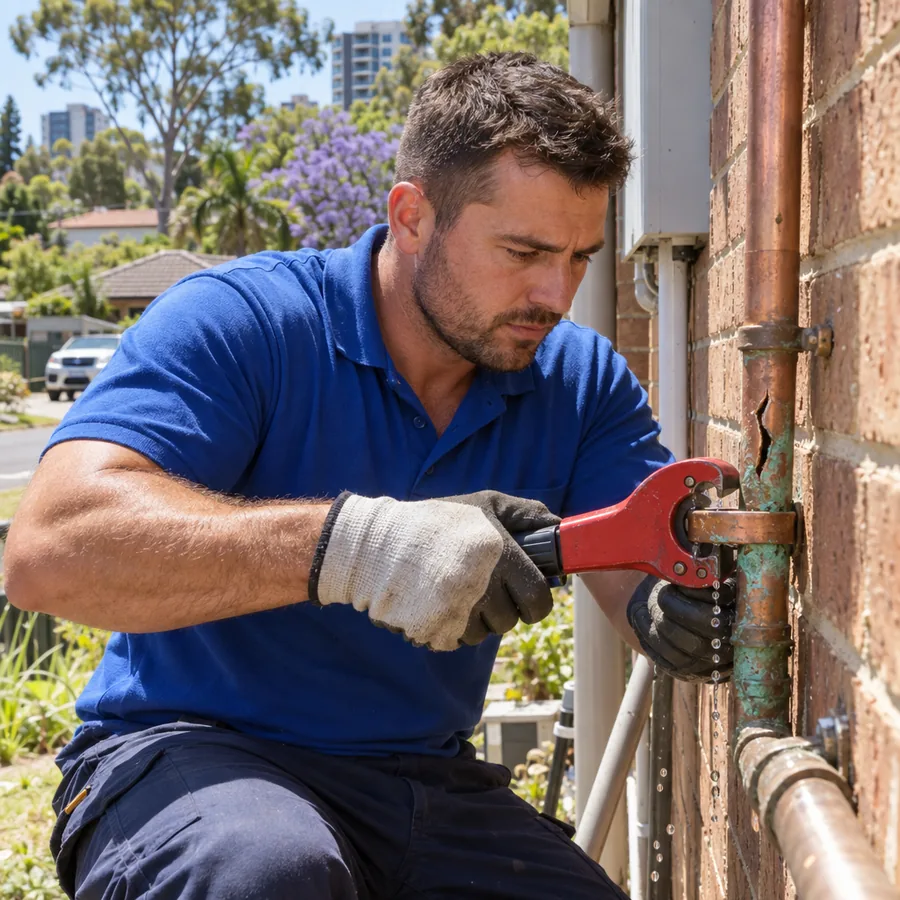
- Galvanised water lines in 1950s fibro cottages corroded through, dropping pressure and staining water brown
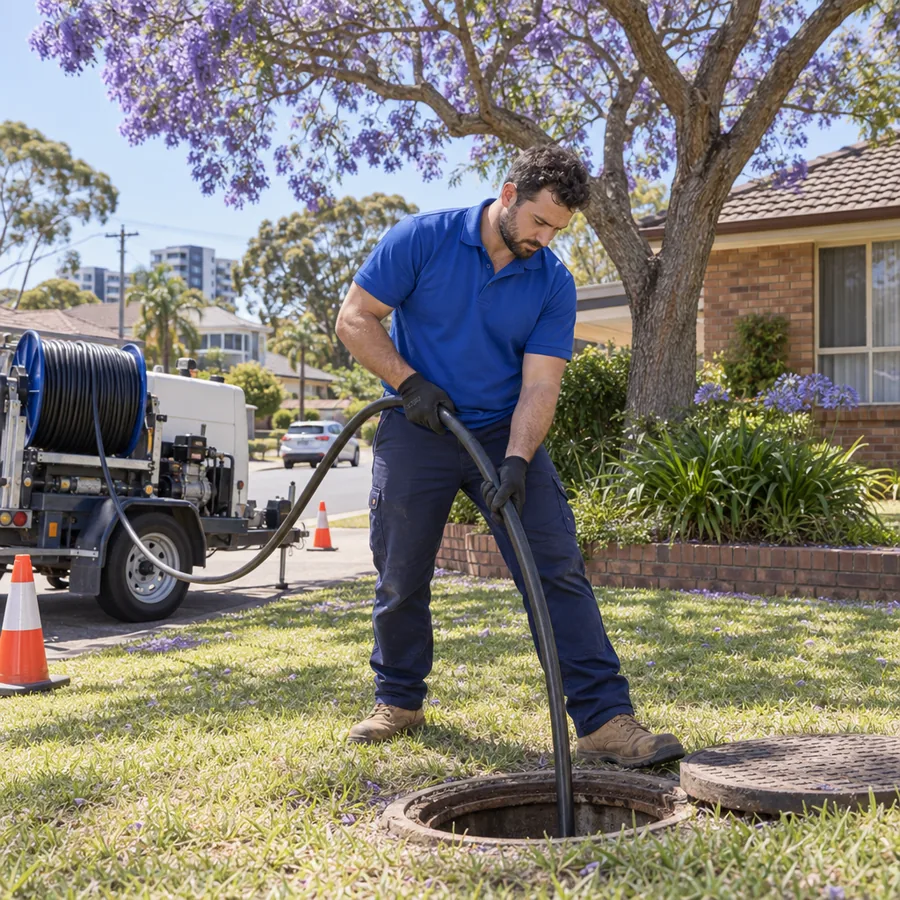
- Earthenware sewers on clay cracked at every joint and packed with roots from seventy-year-old street trees
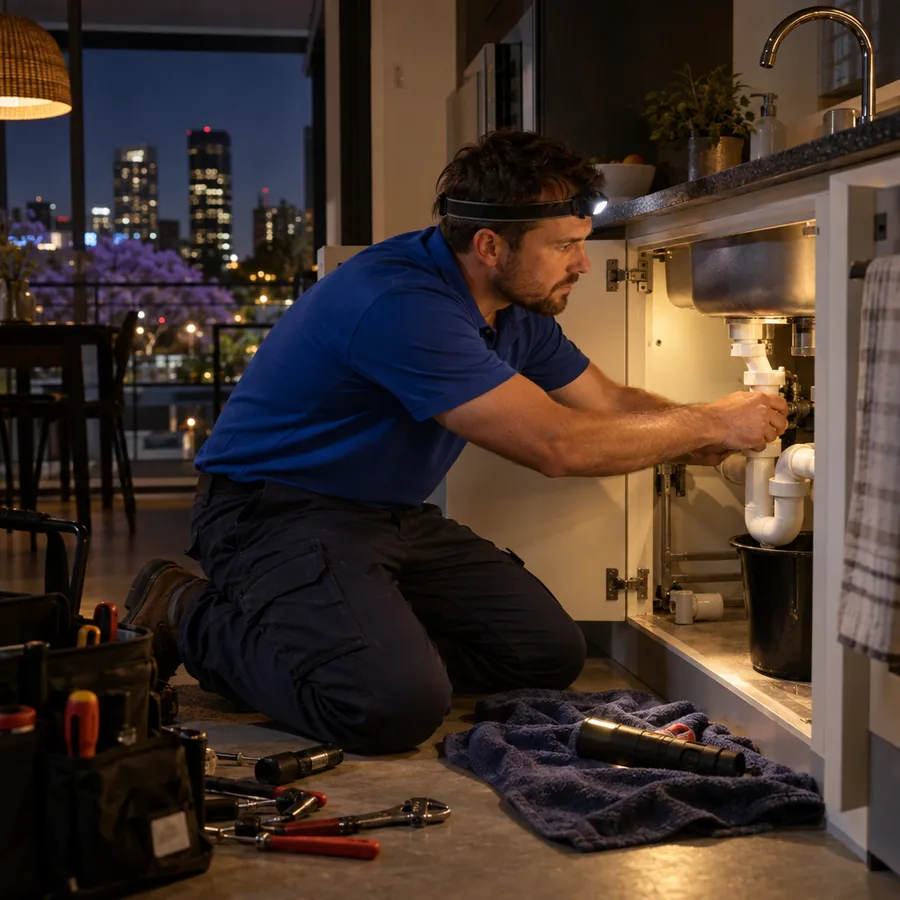
- Granny flats and duplexes tied into original sewer lines that were laid for one small cottage
- Stormwater and sewer surcharge in the low streets near South Creek and Ropes Creek during heavy rain
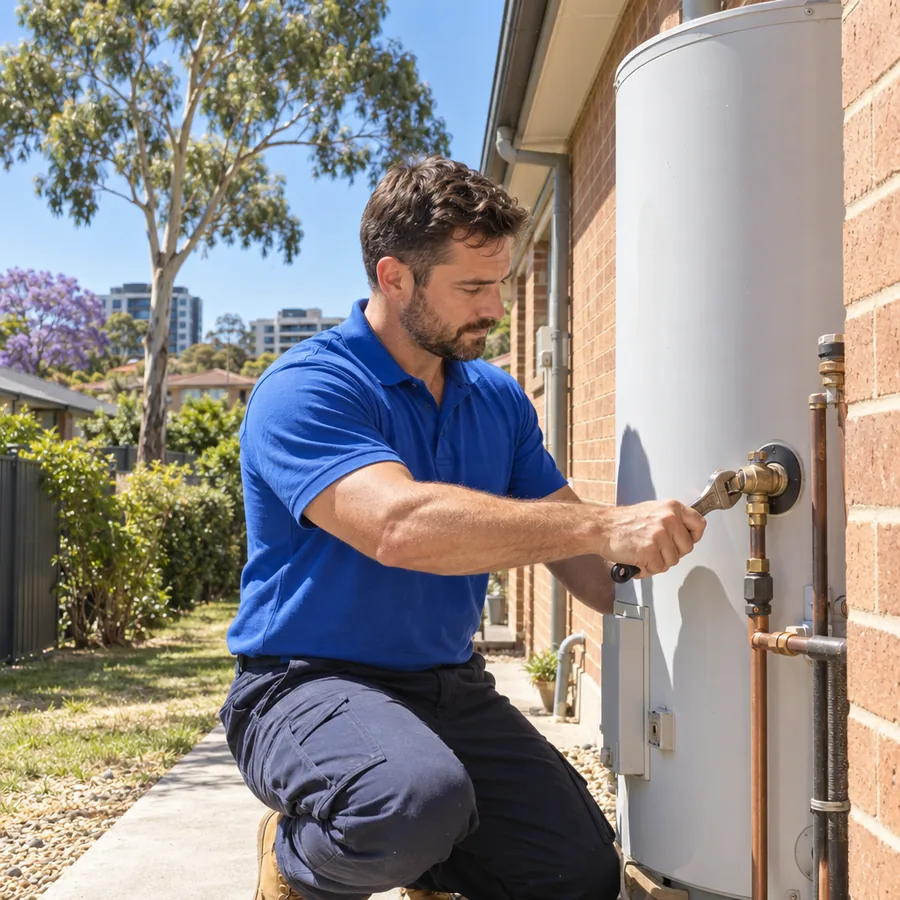
- Electric storage hot water tanks in laundries and on side walls failing after long hot summers
Local notes from the plumbers
St Marys has some of the oldest housing in the Nepean, and the pipes match. The fibro cottages from the 1940s and 50s around Queen Street and the munitions-era streets were plumbed with galvanised water lines and earthenware sewers, and both are well past their design life. Galvanised pipe rusts from the inside until the pressure at the tap is a trickle and the water runs brown after a shutdown; earthenware cracks at the joints on the clay and fills with roots from the camphor laurels and gums that line the older streets. Many of those wide blocks now carry a granny flat or have been split into a duplex, and the extra toilets and washing machines run into a sewer line that was laid for one small family, so blockages are frequent and often shared. The ground is flat Cumberland Plain clay between South Creek and Ropes Creek, and after a heavy summer storm the low streets see gullies surcharging and stormwater sitting in yards for hours. Hot water here is mostly electric storage, often on a sunny side wall, and the heat shortens its life.
Housing in St Marys
Fibro cottages from the 1940s and 50s built for munitions factory workers, 1960s and 70s brick veneer on the streets either side of the Great Western Highway, walk-up unit blocks near the station and Queen Street, and a growing number of duplexes and granny flats on the old wide blocks.