Plumber Punchbowl, NSW 2196
Punchbowl is one of the older, denser suburbs on the eastern side of Canterbury-Bankstown, on the Bankstown line between Bankstown and Wiley Park. The streets near the station are a mix of interwar cottages, post-war fibro and brick, and a heavy concentration of 1960s and 70s walk-up unit blocks, with a busy food strip along The Boulevarde. Punchbowl Road and Canterbury Road are the main routes, and the ground is clay.
What usually goes wrong in Punchbowl
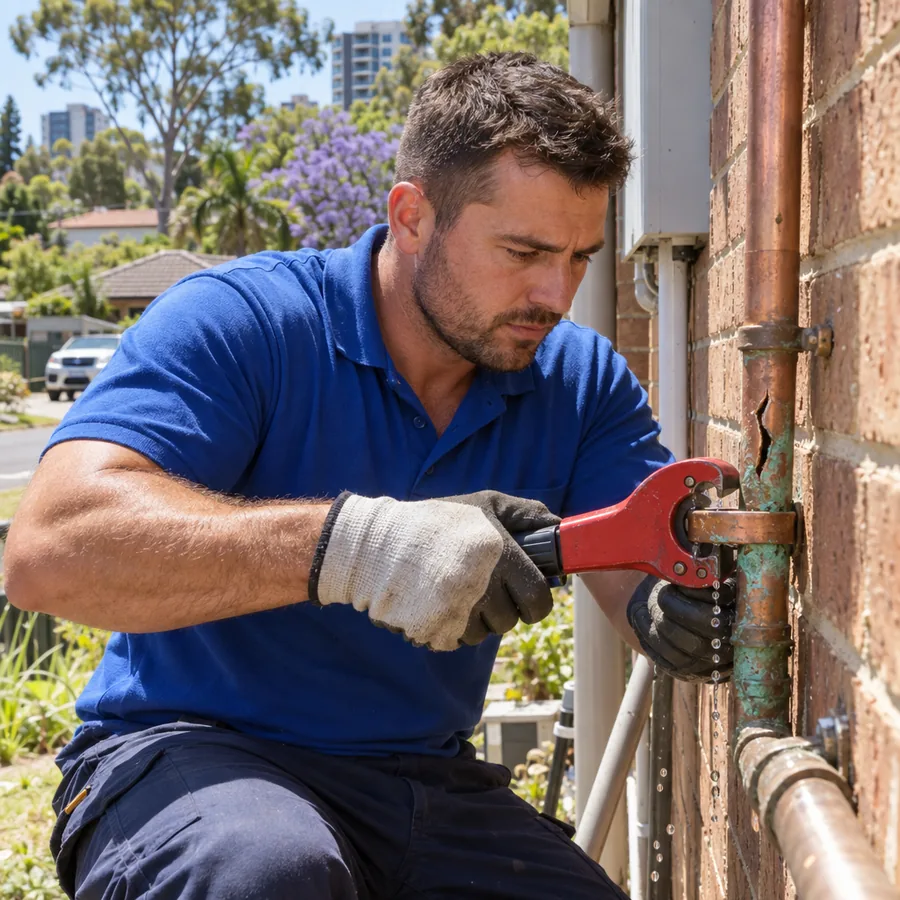
- Shared sewer stacks and original copper risers in 1960s-70s walk-up unit blocks blocking or leaking
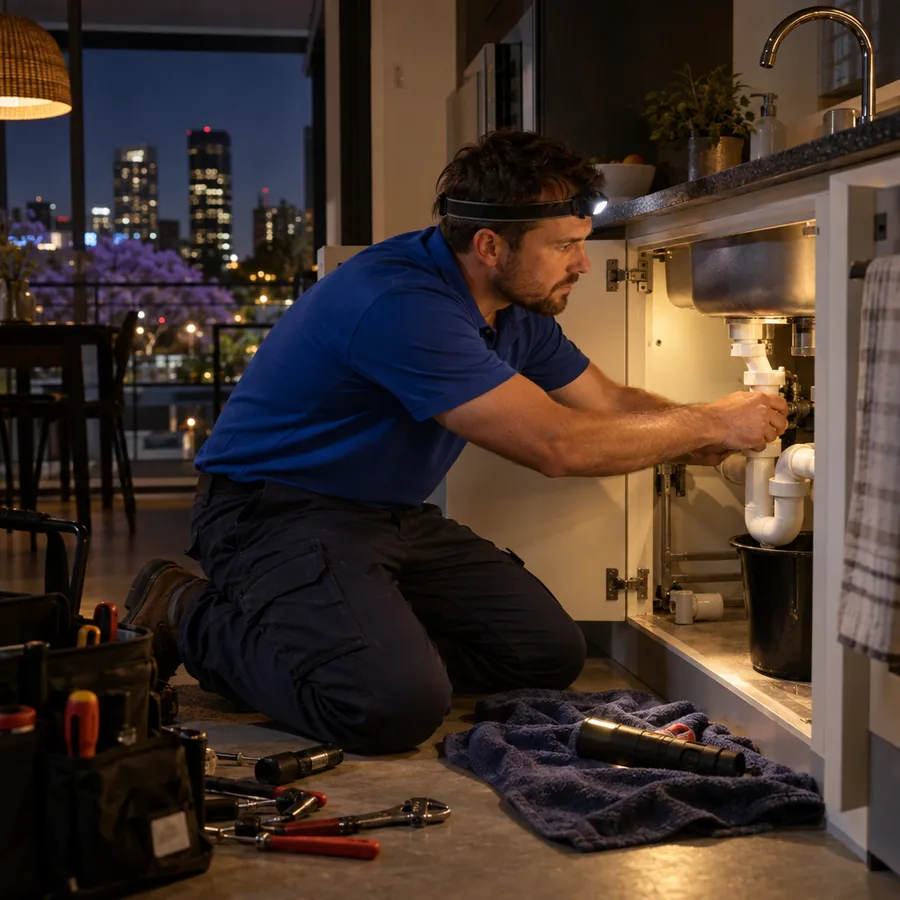
- Flexible hoses under vanities and kitchen sinks bursting in units and flooding the apartment below
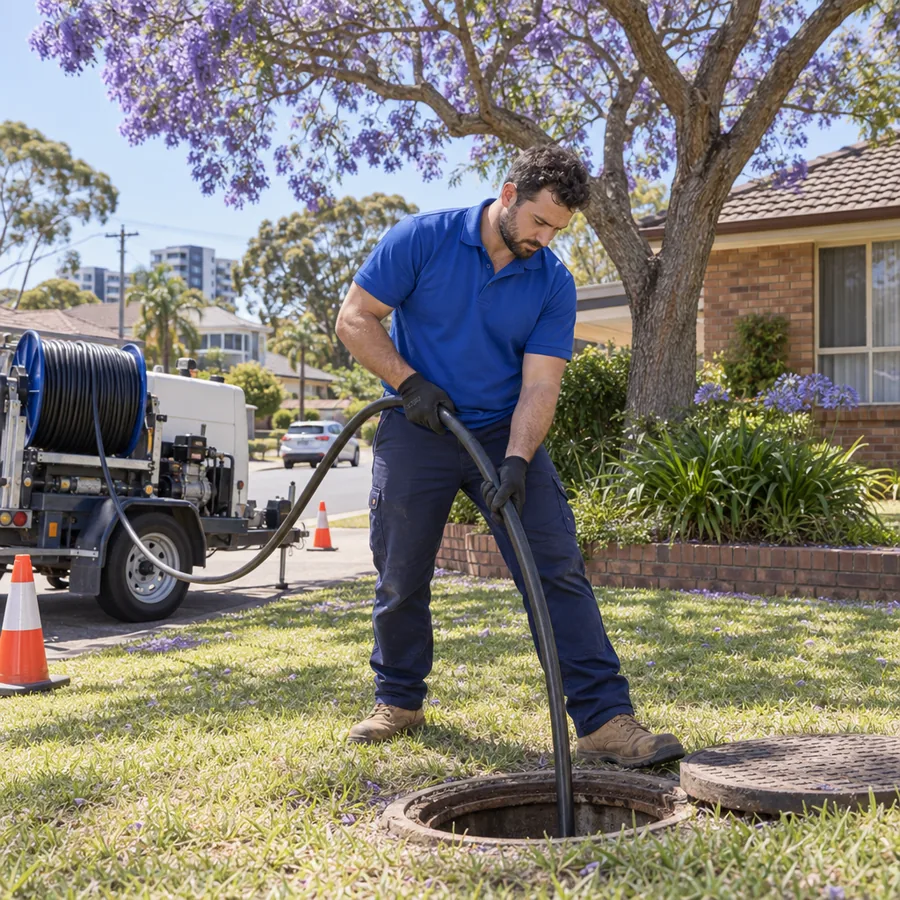
- Earthenware sewers under interwar and post-war cottages cracked by clay and blocked with plane tree and fig roots
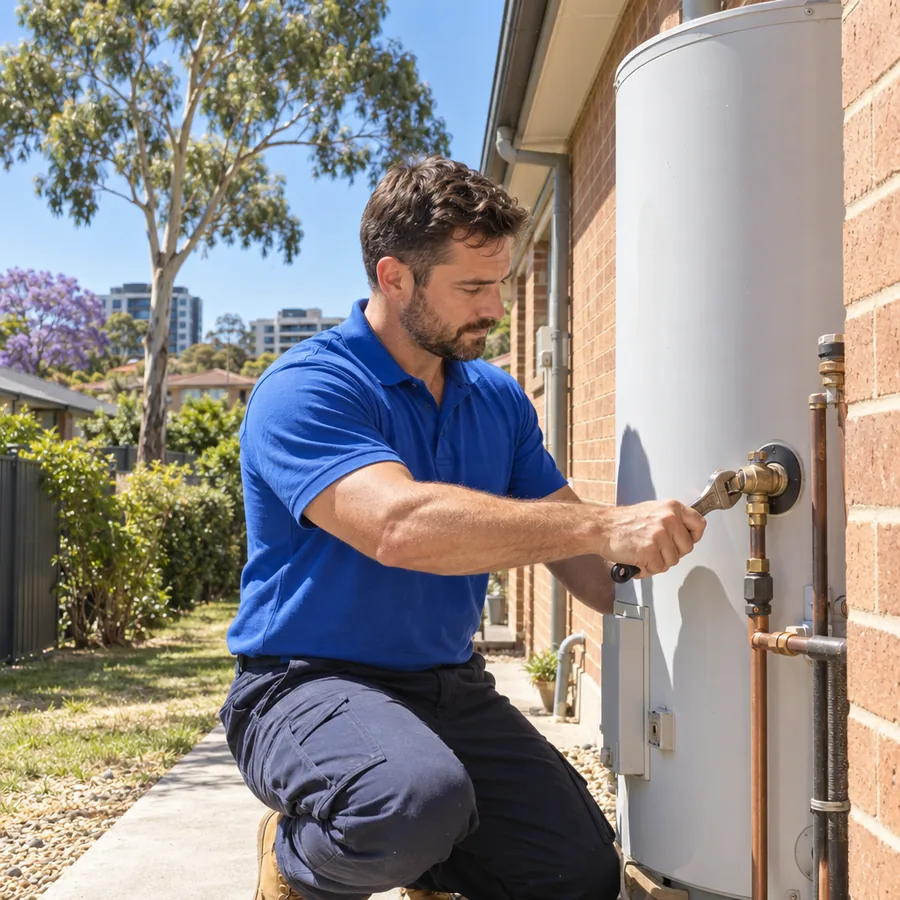
- Galvanised water lines in the oldest homes near the station corroding and choking the pressure
- Grease blockages in the drains of bakeries, restaurants and food shops along The Boulevarde and Punchbowl Road
Local notes from the plumbers
Punchbowl has more unit blocks than most of Canterbury-Bankstown, and that is where a lot of the work is. The three-storey walk-ups from the 1960s and 70s along Punchbowl Road and the streets near the station have shared sewer stacks, original copper risers and forty or fifty years of grease and wipes, so a blocked kitchen sink on the ground floor is usually the whole stack, and a pinhole in a riser shows up as a wet ceiling in someone else's bathroom. Braided flexible hoses in those units are a constant, and a burst hose in a top-floor unit ends up two floors down. On the older streets the cottages date from the interwar years and the 1950s, with earthenware sewers on Cumberland Plain clay cracked at the joints and packed with roots from the plane trees, figs and camphor laurels, and galvanised water lines in the oldest houses that have corroded almost shut. The food strip along The Boulevarde keeps grease traps and floor wastes busy. Stormwater from a summer storm collects in the low streets toward Salt Pan Creek to the south, where gullies surcharge.
Housing in Punchbowl
Federation and interwar cottages on the older streets near the station, 1950s and 60s fibro and brick on the wider blocks, a large number of 1960s and 70s three-storey walk-up unit blocks along Punchbowl Road and near the station, and newer duplexes and small apartment buildings replacing single houses.