Plumber Blacktown, NSW 2148
Blacktown is the commercial centre of one of the most populous local government areas in New South Wales, with Westpoint, the hospital, the station and a growing cluster of apartment towers in the CBD. Beyond the centre it is still mostly post-war fibro and brick homes on flat clay blocks, a lot of them now on their first full renovation or being replaced by duplexes. The Great Western Highway, Sunnyholt Road and the M4 connect it to everything.
What usually goes wrong in Blacktown
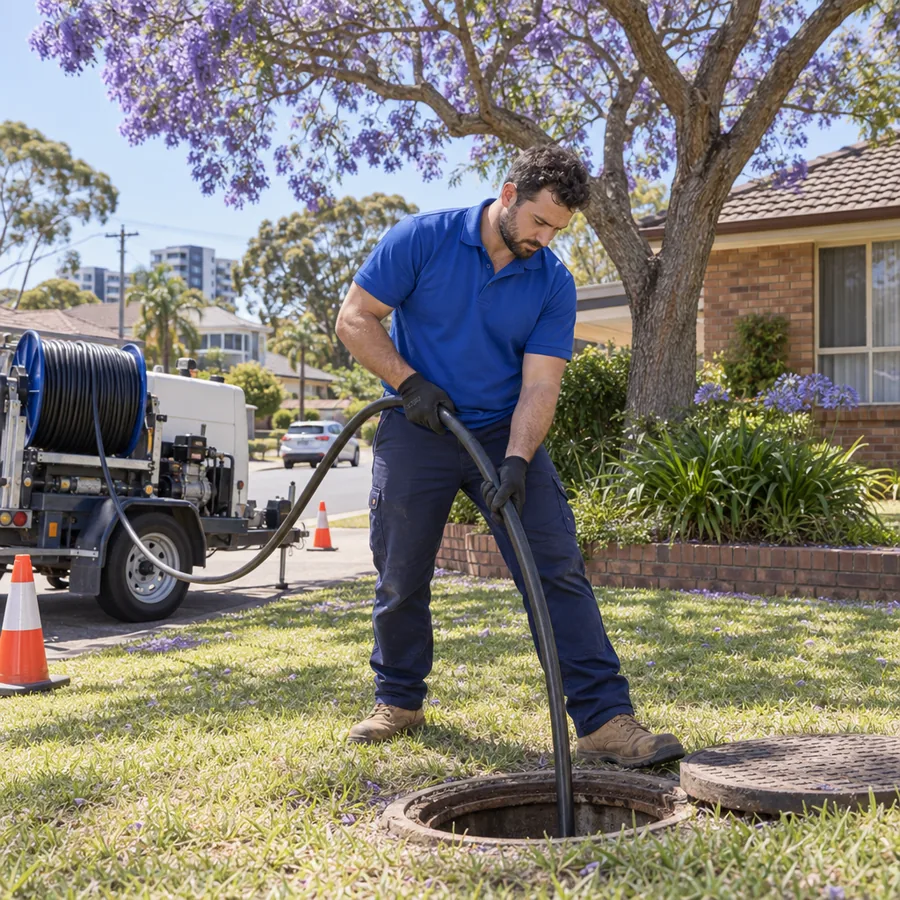
- Earthenware sewers under 1950s and 60s fibro homes cracked by Cumberland Plain clay movement and packed with tree roots
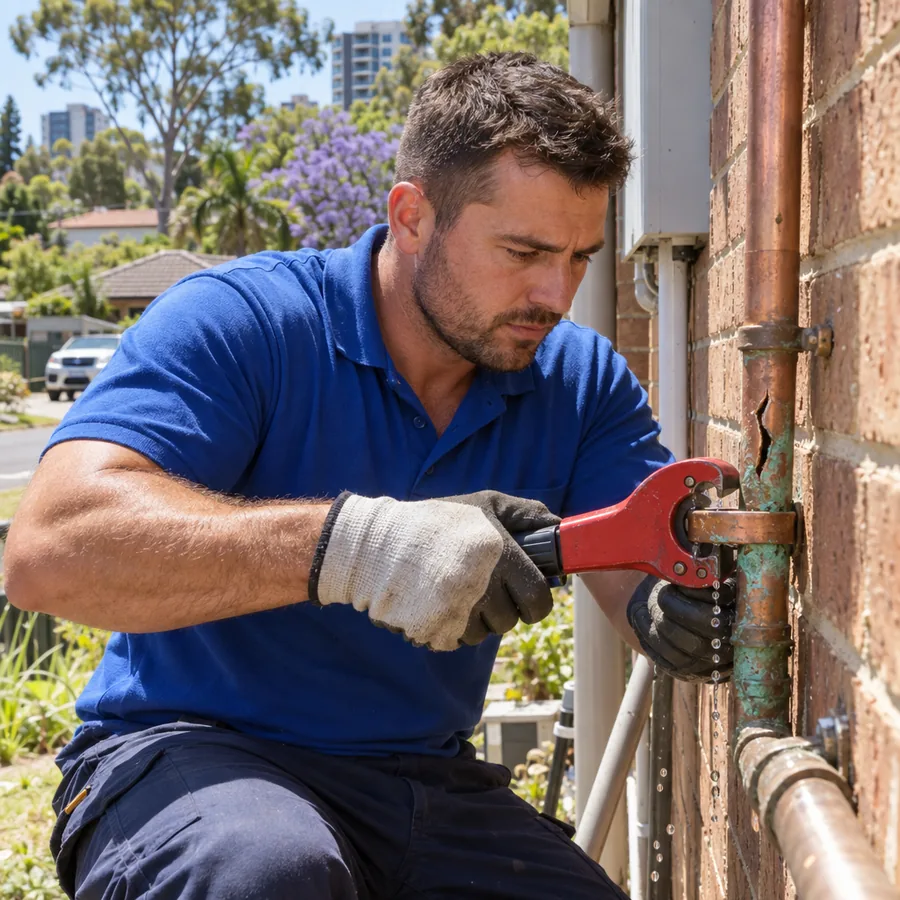
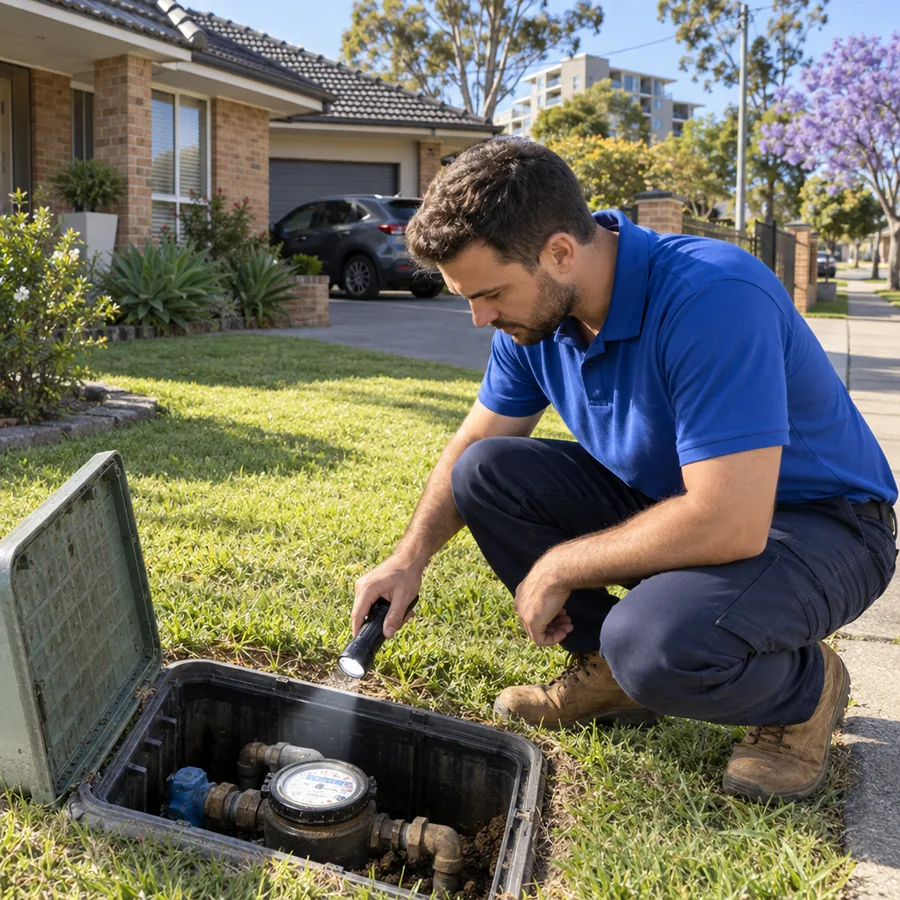
- Original galvanised water lines rusting through and dropping pressure in unrenovated post-war houses
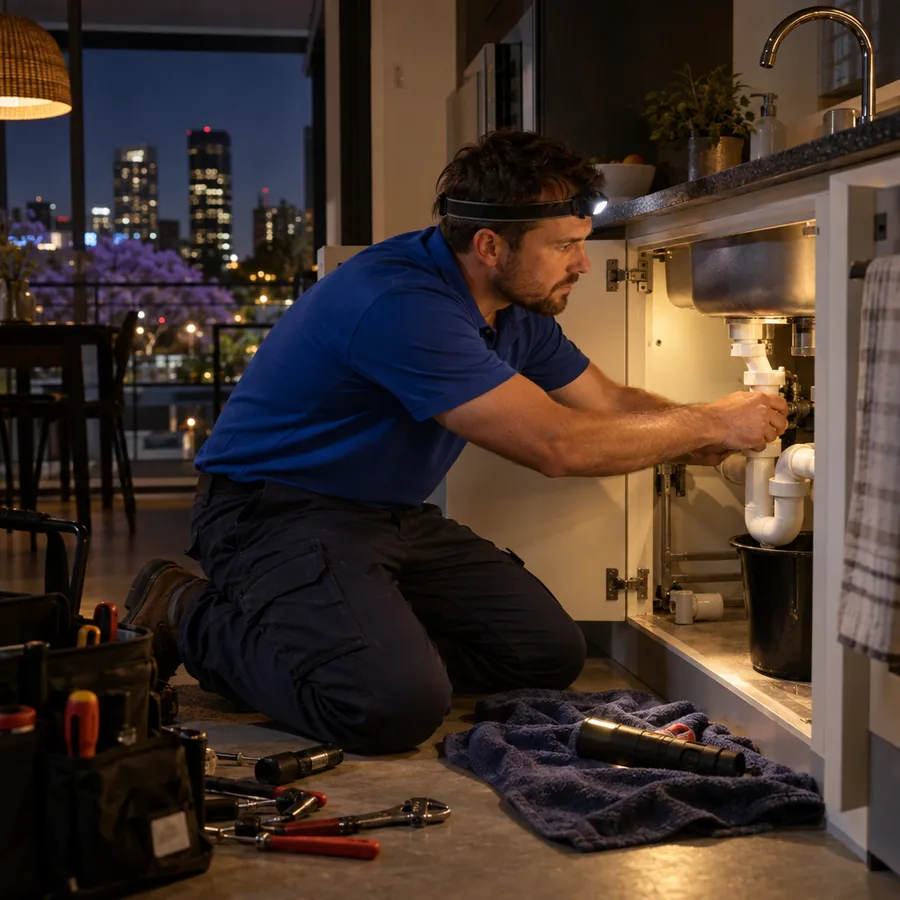
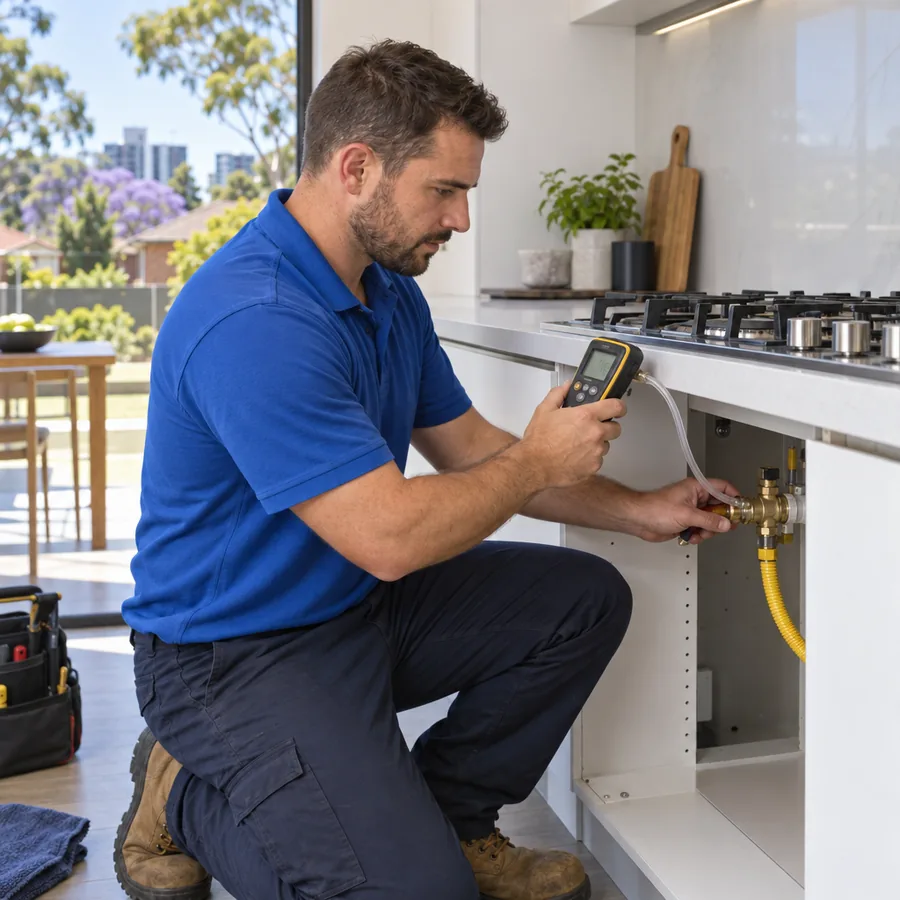
- Flexible hose floods and blocked shared drains in the apartment towers around Westpoint and the station
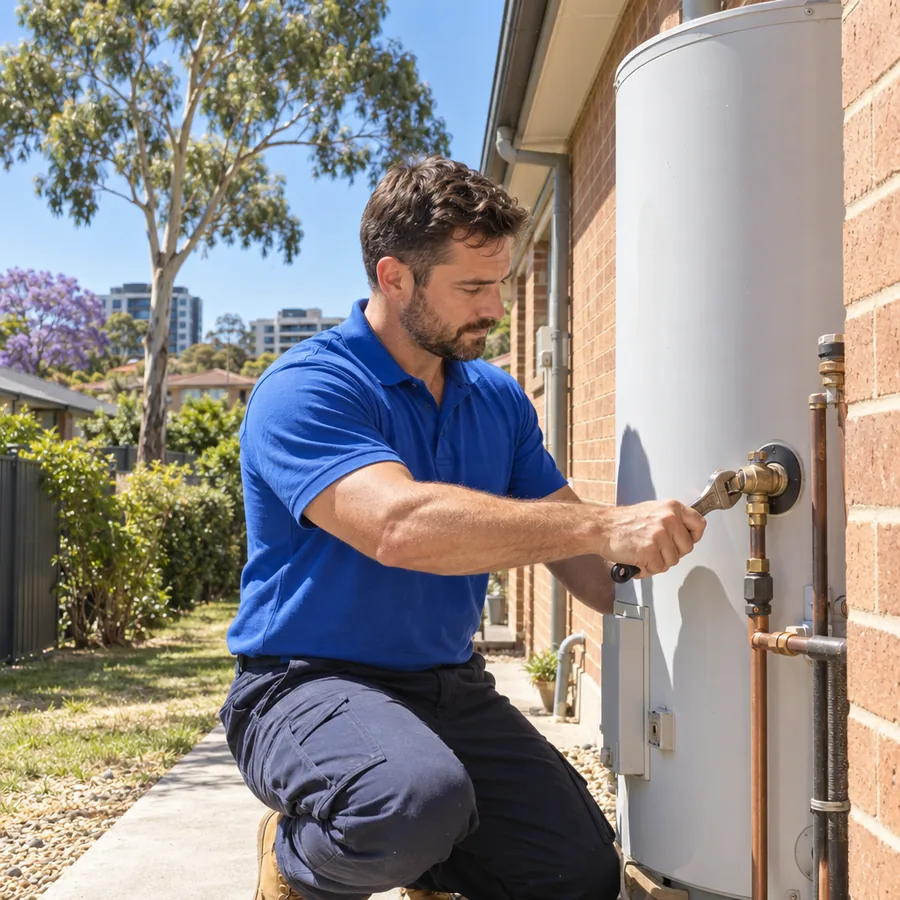
- Outdoor electric storage hot water tanks failing after decades of summer heat on exposed walls
- Sewer surcharge through overflow gullies and flooded yards when storms overload the local stormwater drains
Local notes from the plumbers
Blacktown's plumbing problems come out of the ground. The suburb sits squarely on Cumberland Plain clay, and the fibro and brick veneer homes built between the early 1950s and the 1970s were given earthenware sewers laid in short lengths with cement joints. Every wet winter the clay swells and every dry summer it shrinks, and after seventy years of that the joints have opened and the liquidambars, jacarandas and eucalypts planted along the streets have found them. A drain that blocks, clears and blocks again within months almost always means a cracked run that needs a camera and, usually, relining. The same houses often still carry their original galvanised water lines, which rust from the inside until the pressure at the kitchen tap drops to a trickle. Hot water tanks stand outside on western walls and cop the full afternoon heat. Around Westpoint, Flushcombe Road and the station, the apartment towers bring flexible hose floods and shared drain blockages. The ground is flat and drains slowly, so summer thunderstorms leave water in yards and push sewage back up through overflow gullies on the low streets.
Housing in Blacktown
1950s to 70s fibro and brick veneer homes on flat quarter-acre blocks across most of the suburb, 1960s and 70s walk-up unit blocks near the station and Flushcombe Road, and 2010s and 2020s apartment towers around Westpoint and the CBD, with duplexes and townhouses replacing older houses on the wider streets.